
Adapting to Industry Trends: The Future of Corporate Housing
HF
Understanding the Evolution of Corporate Housing
In recent years, the corporate housing industry has witnessed significant transformation. As businesses and individuals adapt to new work environments, the demand for flexible and comfortable living arrangements has surged. Corporate housing providers are now tasked with keeping up with these evolving needs to remain competitive in the market.
The shift towards remote work and digital nomadism has redefined what professionals look for in temporary housing. Gone are the days when a simple furnished apartment sufficed. Today, tenants seek comprehensive amenities that support work-life balance and foster productivity.
Embracing Technological Advancements
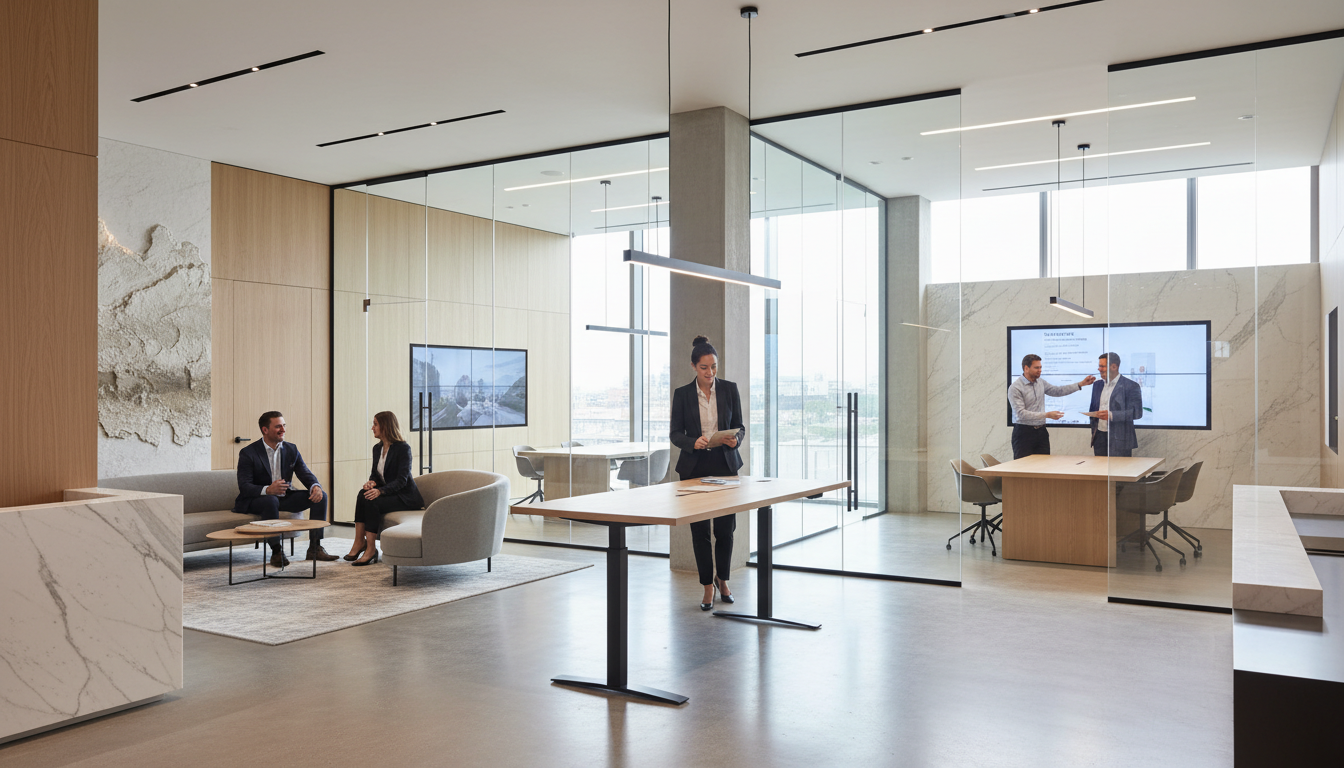
Technology plays a pivotal role in shaping the future of corporate housing. Smart home features, high-speed internet, and seamless connectivity are no longer optional—they are essential. Companies are investing in IoT devices and virtual reality tours to enhance the tenant experience and streamline operations.
Moreover, data analytics is helping providers understand tenant preferences better, allowing them to tailor their offerings. By leveraging technology, corporate housing can offer a more personalized experience, catering to the unique needs of each guest.
Focusing on Sustainability
As environmental concerns become more pressing, sustainability in corporate housing is gaining traction. Eco-friendly building materials, energy-efficient appliances, and waste reduction practices are becoming standard in the industry. Tenants increasingly prefer accommodations that align with their values, making sustainability a competitive advantage.

Corporate housing providers are also exploring partnerships with local businesses to source sustainable products and services, further enhancing their commitment to environmental responsibility.
Prioritizing Health and Wellness
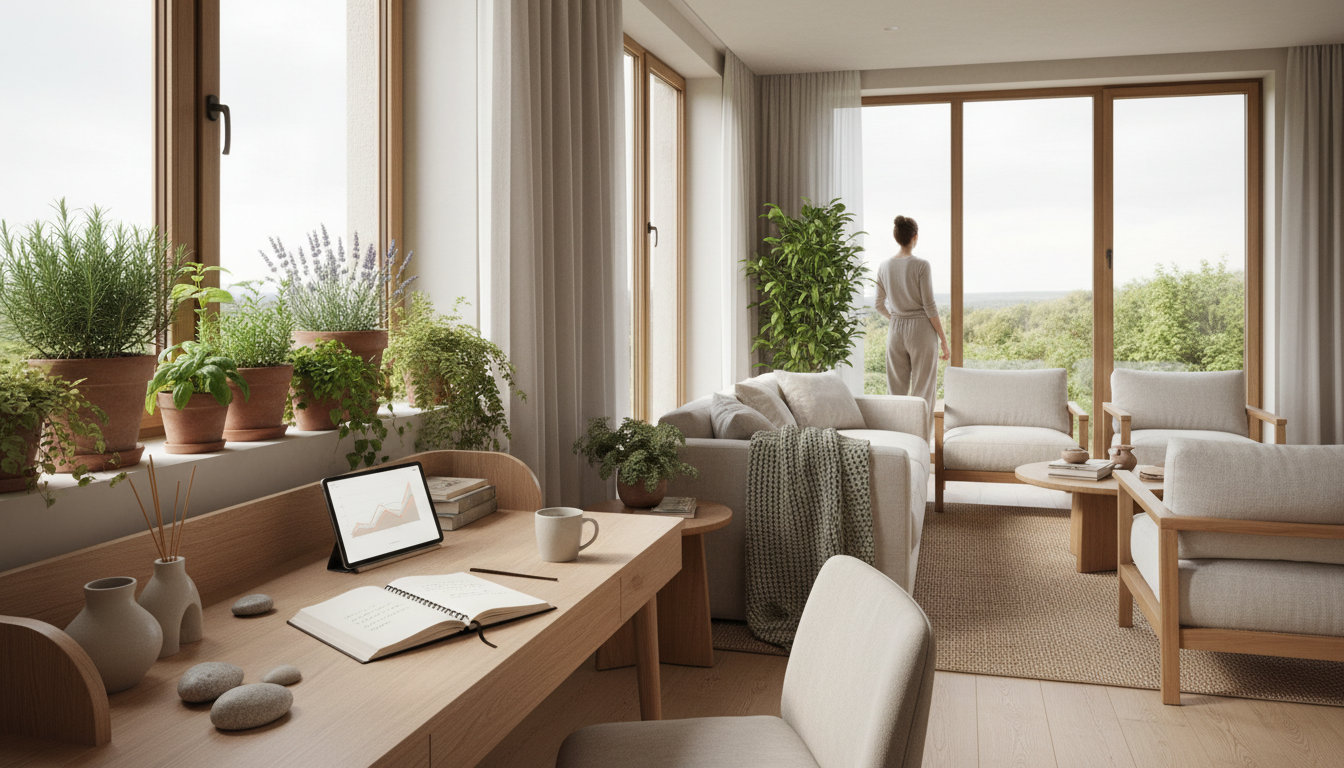
The COVID-19 pandemic has heightened awareness of health and wellness in living spaces. Corporate housing is adapting by incorporating features that promote physical and mental well-being. From on-site gyms and wellness centers to green spaces and air purification systems, the focus is on creating a healthy living environment.
Additionally, flexible leasing options and pet-friendly policies are attracting a broader range of tenants, accommodating diverse lifestyles and preferences.
Navigating Economic Challenges
The corporate housing industry is not immune to economic fluctuations. Providers must remain agile, adjusting pricing models and exploring innovative financing solutions to maintain profitability. Offering flexible rental terms and value-added services can help attract clients even during economic downturns.
Collaborating with corporate clients to understand their budget constraints and housing needs is crucial for long-term success. By staying attuned to market conditions, providers can strategically position themselves to weather economic challenges.
The Road Ahead
The future of corporate housing is bright, with opportunities for growth and innovation. By staying ahead of industry trends and embracing change, providers can offer exceptional experiences that meet the evolving demands of modern professionals.
As the landscape continues to shift, those who adapt will find themselves at the forefront of this dynamic industry, ready to meet the challenges and opportunities that lie ahead.