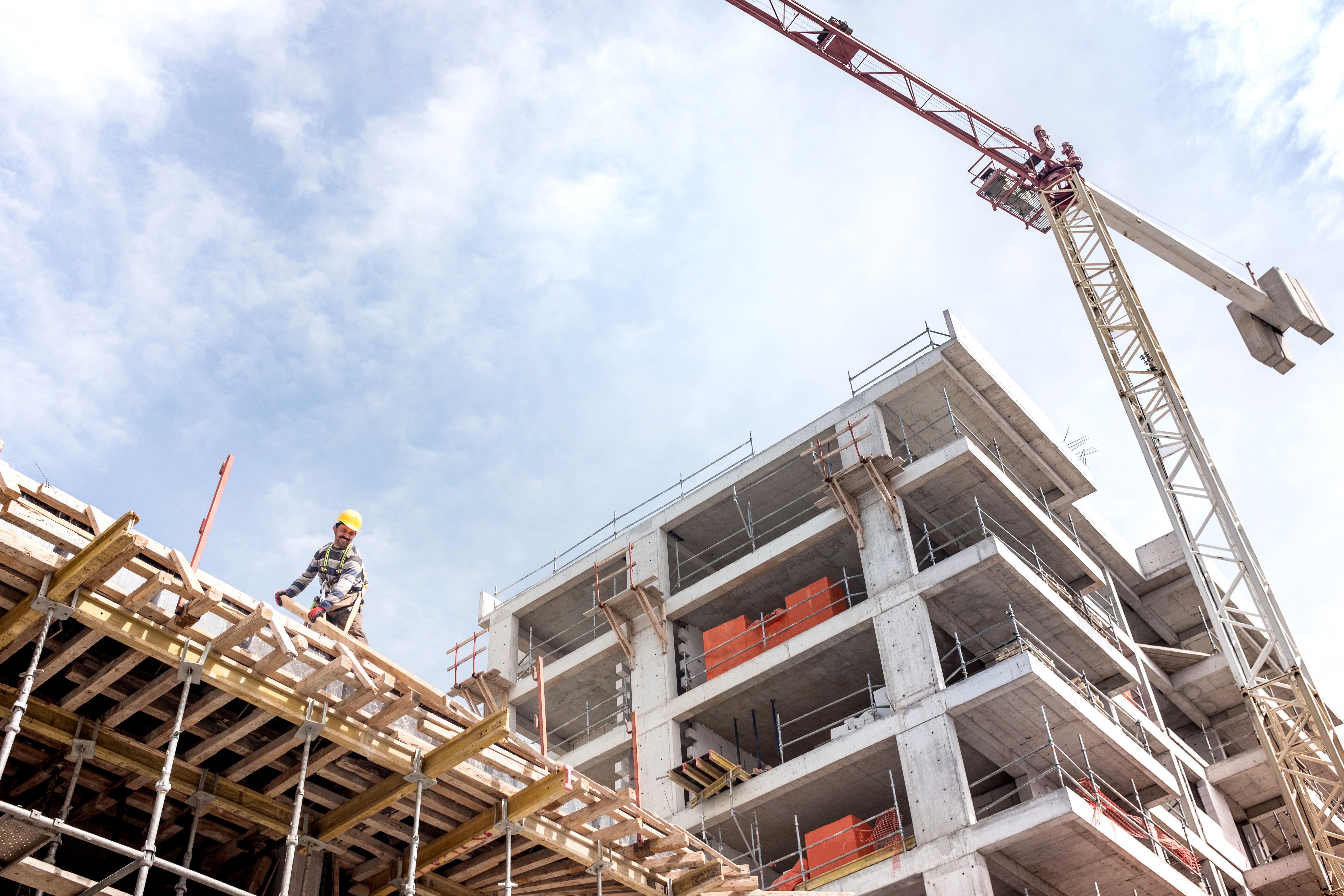
Case Study: Successful Implementation of Scalable Housing Strategies
HF
Introduction to Scalable Housing Strategies
In the face of rapid urbanization and population growth, scalable housing strategies have become essential for sustainable development. These strategies aim to provide affordable, efficient, and adaptable housing solutions that can meet the needs of diverse populations.
This case study examines a successful implementation of scalable housing strategies in a growing metropolitan area, highlighting the innovative approaches and outcomes that have emerged.

The Challenges of Urban Expansion
As cities expand, they often encounter challenges such as limited space, increased demand for affordable housing, and environmental concerns. Addressing these issues requires a multifaceted approach that balances growth with sustainability.
Urban planners and developers must consider factors like infrastructure, zoning regulations, and community needs to create effective housing solutions.
Innovative Approaches to Housing
The case study area adopted several innovative approaches to address these challenges. One key strategy was the use of modular construction techniques, which allowed for quick and cost-effective building processes.
These techniques not only reduced construction time but also minimized waste, contributing to a more sustainable development model.

Community Involvement
Another crucial aspect of the project was community involvement. Engaging local residents in the planning and development process ensured that the solutions were tailored to meet the specific needs and preferences of the population.
This participatory approach fostered a sense of ownership and pride among residents, enhancing the overall success of the initiative.
Technology Integration
The integration of technology played a significant role in the project's success. Smart home technologies were incorporated to improve energy efficiency and provide residents with greater control over their living environments.
These innovations not only enhanced the quality of life but also contributed to long-term sustainability by reducing energy consumption.

Outcomes and Impact
The implementation of scalable housing strategies led to several positive outcomes. The project successfully provided affordable housing to thousands of families, addressing a critical need in the area.
Moreover, the focus on sustainability and community engagement resulted in a model that can be replicated in other urban settings facing similar challenges.
Lessons Learned
This case study offers valuable lessons for other cities looking to implement scalable housing solutions. Key takeaways include the importance of modular construction, community involvement, and technology integration.
By prioritizing these elements, cities can create adaptable and sustainable housing solutions that meet the needs of their growing populations.
Conclusion
Scalable housing strategies represent a promising path forward for urban development. By embracing innovation and collaboration, cities can overcome the challenges of urban expansion and create vibrant, livable communities.
This case study serves as an inspiring example of what can be achieved when forward-thinking approaches are applied to housing development.