
Event-Specific Operational Logistics: A Guide for Corporate Clients
HF
Understanding the Importance of Event-Specific Operational Logistics
In the world of corporate events, the success of any gathering largely depends on meticulous planning and execution. Event-specific operational logistics play a crucial role in ensuring that all elements work seamlessly together. From transportation to on-site management, every detail counts. This guide aims to provide corporate clients with insights into optimizing logistics for their events.

Key Components of Event Logistics
Effective event logistics begin with understanding the key components that need to be managed. These include transportation, venue coordination, equipment setup, and guest management. Each of these elements requires careful planning and execution.
Transportation logistics involve organizing how attendees, speakers, and staff will arrive at the venue. This may include arranging shuttle services or coordinating with local transport providers. Venue coordination, on the other hand, involves working closely with the venue staff to ensure everything from seating arrangements to catering is in place.
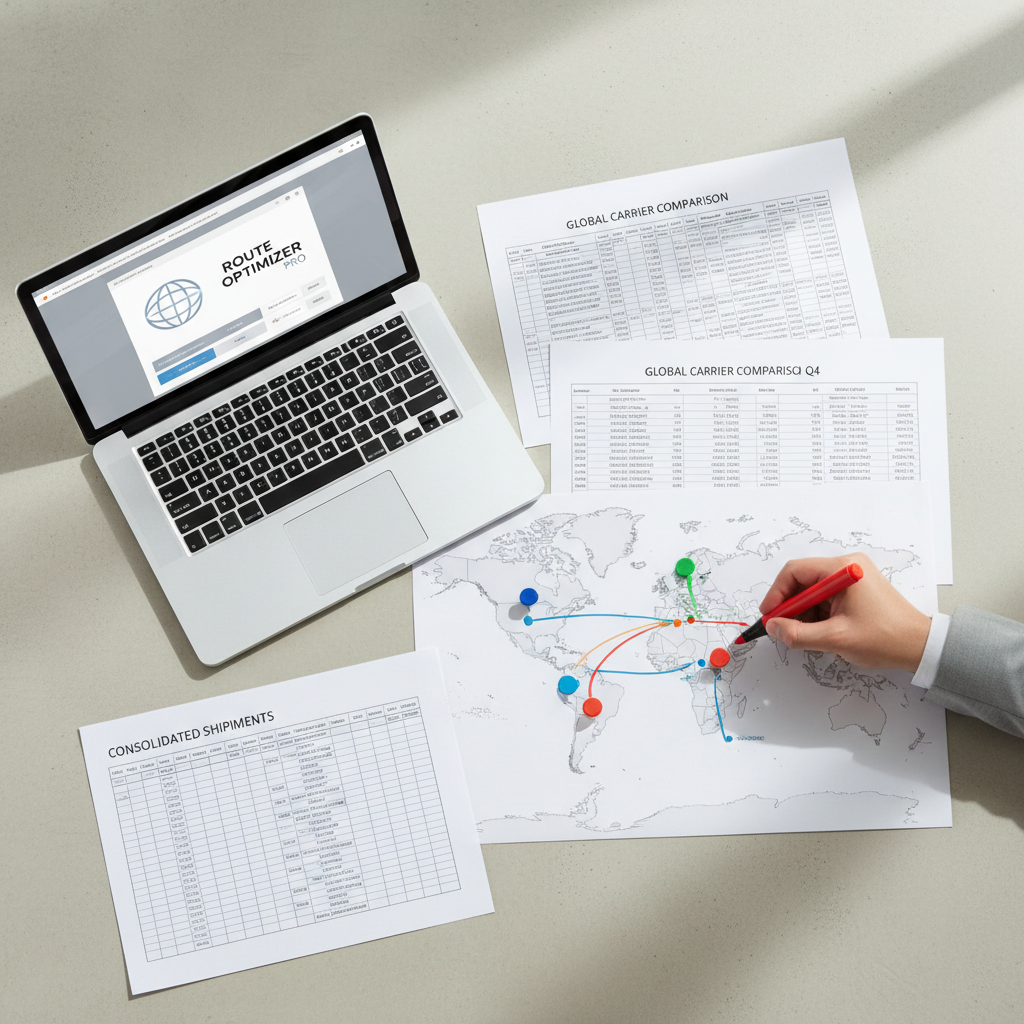
Developing a Comprehensive Logistics Plan
Once you understand the components, the next step is to develop a comprehensive logistics plan. This plan should outline every detail of the event, including timelines, responsibilities, and contingency plans. A well-structured plan helps in anticipating potential issues and allows for quick solutions.
Begin by setting clear objectives and identifying the resources needed. Create a timeline that covers all phases of the event, from setup to teardown. Assign roles and responsibilities to team members, ensuring everyone knows their tasks.
Leveraging Technology for Efficiency
Incorporating technology into event logistics can significantly enhance efficiency. Use event management software to track registrations, manage schedules, and communicate with attendees. These tools can also help in gathering real-time data, allowing for quick adjustments if necessary.
Additionally, consider using mobile apps for attendee engagement and on-site check-ins. These apps can streamline the process and reduce wait times, enhancing the overall attendee experience.
On-Site Management and Execution
On the day of the event, operational logistics shift to on-site management. Ensure all equipment and materials are in place before attendees arrive. Have a team ready to address any last-minute issues, such as technical difficulties or unexpected guest needs.
Effective communication among team members is vital. Use walkie-talkies or messaging apps to keep everyone connected and informed. This ensures a smooth flow of operations and quick response to any challenges.

Post-Event Evaluation and Feedback
After the event concludes, conducting a post-event evaluation is essential. Gather feedback from attendees, staff, and stakeholders to understand what worked well and what areas need improvement. This information is invaluable for planning future events and enhancing operational logistics.
Use surveys and feedback forms to collect data. Analyze this information to identify trends and areas for growth. Implementing changes based on this feedback can lead to more successful events in the future.
In summary, event-specific operational logistics are a vital part of any corporate event's success. By understanding key components, developing a comprehensive plan, leveraging technology, and conducting post-event evaluations, corporate clients can ensure their events run smoothly and efficiently.