
Expert Insights: Key Trends Shaping the Future of Corporate Housing
HF
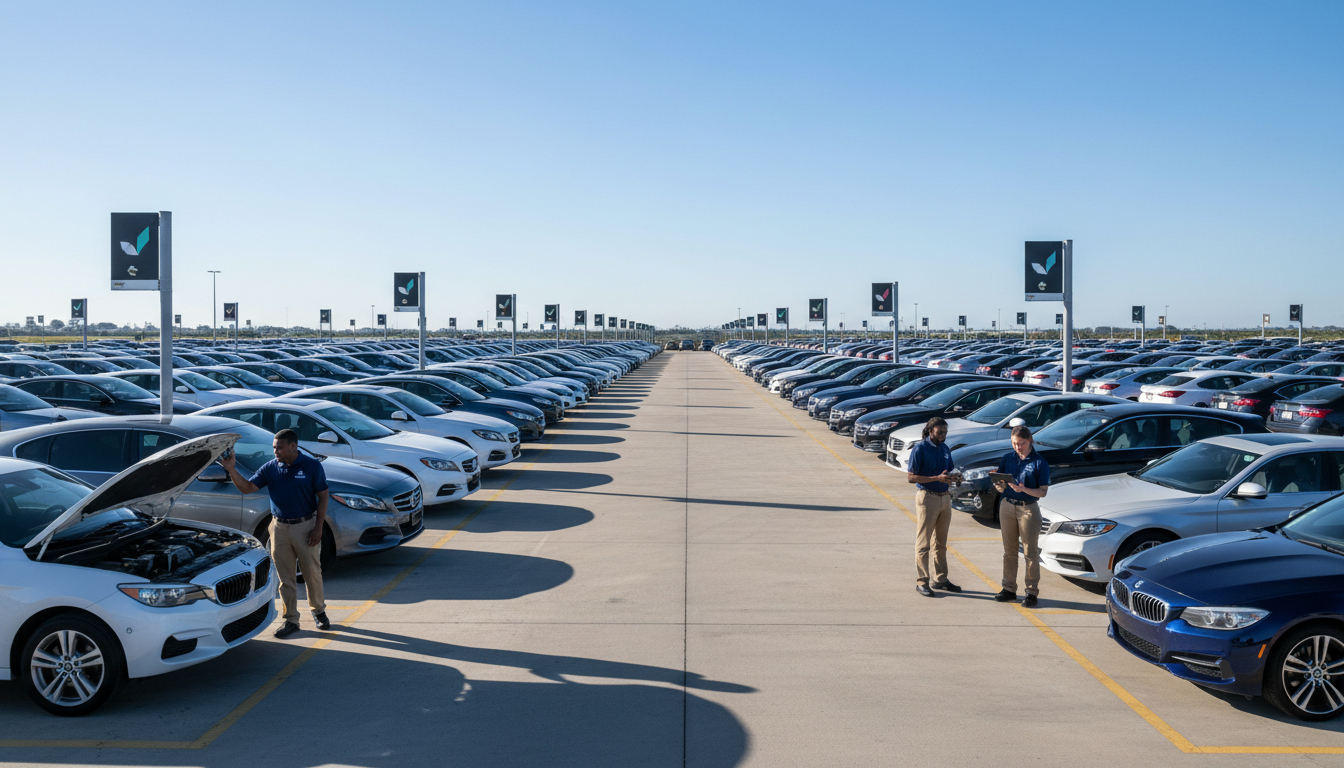
The Rise of Flexible Leasing Options
In the evolving landscape of corporate housing, one of the most significant trends is the rise of flexible leasing options. As businesses adapt to a more dynamic work environment, the demand for short-term, flexible housing solutions has surged. Companies are increasingly seeking accommodations that can be adjusted according to project timelines, employee preferences, and budget constraints.
Flexible leases offer a competitive advantage by allowing companies to manage housing costs more effectively. This trend is not just about cost-effectiveness; it's also about providing employees with the comfort and convenience they desire when relocating for work.
Emphasis on Technology and Smart Homes
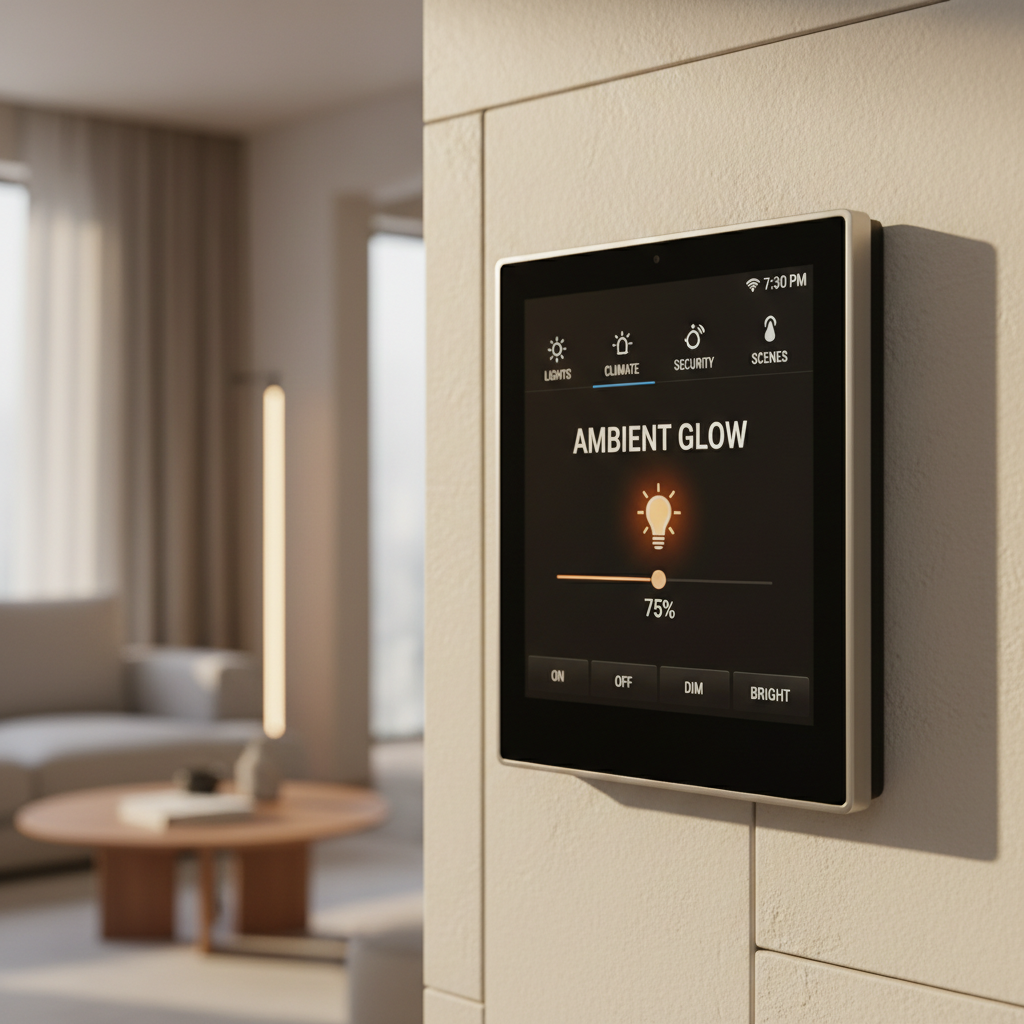
Technology is playing a pivotal role in shaping the future of corporate housing. Smart home technology, including automated lighting, climate controls, and security systems, is becoming a staple in corporate apartments. These advancements not only enhance the living experience but also offer energy efficiency and security benefits.
Moreover, integrated technology platforms that streamline booking, management, and maintenance processes are gaining traction. These platforms offer seamless communication between tenants and property managers, thus enhancing the overall service experience.
Sustainability and Eco-Friendly Practices
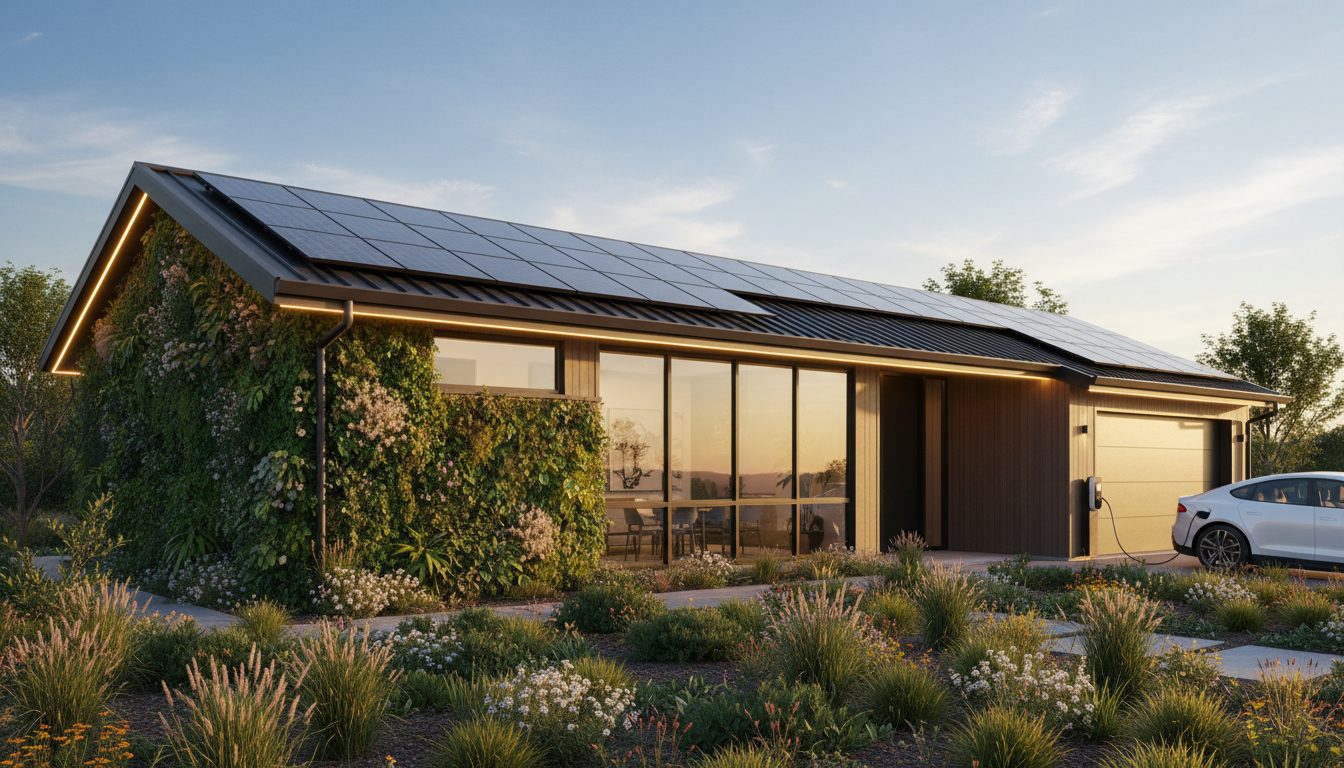
As environmental concerns continue to grow, sustainability has become a key focus in corporate housing. Companies are increasingly opting for eco-friendly accommodations that prioritize energy conservation and reduced carbon footprints. This includes the use of sustainable building materials, energy-efficient appliances, and waste-reduction practices.
Adopting sustainable practices not only benefits the environment but also aligns with many companies' corporate social responsibility goals, making it a win-win scenario for businesses and the planet.
Customization and Personalization
Customization is another trend shaping corporate housing. Employees now expect personalized living spaces that cater to their specific needs and preferences. From interior design to in-unit amenities, customization options are becoming a major differentiator in the marketplace.
This trend is driven by the desire for a home-like environment, even when employees are away from their permanent residences. Offering personalized options helps companies attract and retain top talent by enhancing employee satisfaction.
The Impact of Remote Work
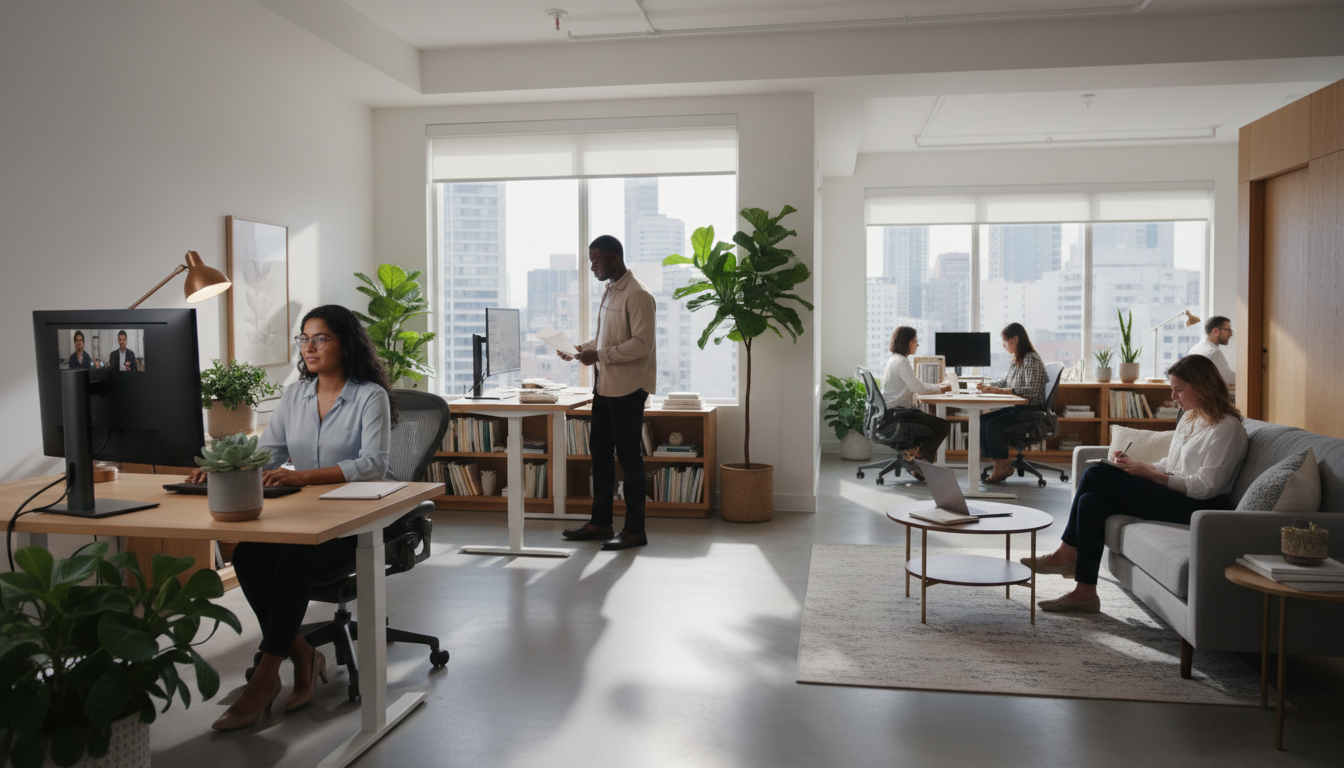
Remote work has had a profound impact on corporate housing trends. With more employees working remotely, the need for traditional office-centric housing solutions has diminished. Instead, there is a growing demand for accommodations that support remote work, such as high-speed internet and dedicated workspaces.
This shift is leading to a reimagining of corporate housing, where spaces are designed to foster productivity and accommodate diverse working styles.
Conclusion
The future of corporate housing is being reshaped by these key trends, each contributing to a more flexible, sustainable, and technology-driven living experience. As companies continue to adapt to changing workforce dynamics, the importance of providing high-quality, adaptable housing solutions will only increase. Staying ahead of these trends will be crucial for businesses looking to attract and retain talent in a competitive market.