
How to Ensure Government Housing Readiness: A Comprehensive Guide
HF
Understanding Government Housing Readiness
Ensuring government housing readiness is crucial for meeting the needs of communities and supporting social welfare. A well-prepared housing system can address emergencies, provide stability, and improve the quality of life for residents. This guide offers insights into the steps necessary to achieve housing readiness.

Assessing Community Needs
The first step in ensuring housing readiness involves a comprehensive assessment of the community's needs. This includes understanding the demographics, economic conditions, and specific housing requirements of the population. Engaging with local stakeholders, conducting surveys, and analyzing data can provide valuable insights.
By identifying the unique needs of each community, governments can tailor their housing strategies to provide the most effective solutions. This proactive approach ensures that resources are allocated efficiently and that the housing provided meets the actual demands.
Developing Strategic Plans
Once community needs are assessed, the next step is to develop strategic plans. These plans should outline short-term and long-term goals, budget allocations, and timelines for implementation. It is essential to incorporate flexibility into these plans to adapt to changing circumstances and emerging needs.
A strategic plan should also consider potential risks and include contingency measures. This forward-thinking approach helps mitigate challenges and ensures that housing projects remain on track.

Ensuring Compliance with Regulations
Government housing must comply with various regulations and standards to ensure safety, accessibility, and sustainability. This includes adhering to building codes, environmental regulations, and accessibility standards for people with disabilities.
Regular inspections and audits should be conducted to ensure compliance. These measures not only protect residents but also enhance the overall quality and longevity of the housing infrastructure.
Engaging Community Participation
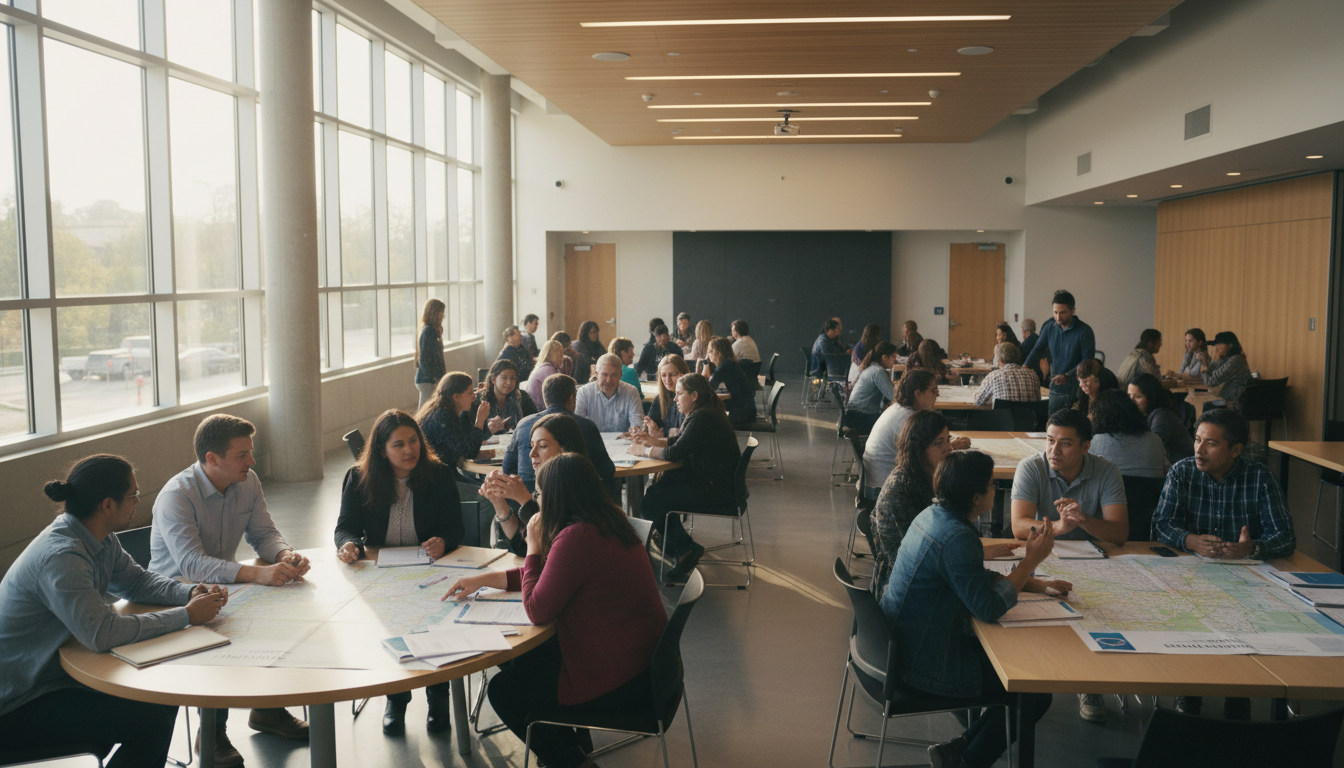
Community involvement is vital for the success of government housing projects. Engaging residents in the planning and development process fosters a sense of ownership and ensures that the housing meets their needs and preferences.
- Organize community meetings and workshops.
- Encourage feedback and suggestions from residents.
- Collaborate with local organizations and leaders.
Implementing Efficient Resource Management
Efficient resource management is key to successful housing readiness. This involves optimizing the use of financial, human, and material resources. Governments should explore innovative funding options, such as public-private partnerships, to maximize impact.
Monitoring and evaluating resource allocation regularly ensures that projects are completed within budget and on time. This proactive approach minimizes waste and enhances the overall efficiency of housing initiatives.
Utilizing Technology and Innovation
Leveraging technology can significantly enhance government housing readiness. From using advanced construction techniques to implementing smart home technologies, innovation can improve the quality and sustainability of housing projects.
- Adopt energy-efficient building practices.
- Integrate smart home systems for better energy management.
- Utilize data analytics to track and predict housing needs.
By embracing cutting-edge solutions, governments can create housing that is not only fit for today but also adaptable for the future.