
Navigating Government Housing Readiness: What You Need to Know
HF
Accessing government housing can be a complex process, but understanding the requirements and steps involved can make it much easier. For many people, government housing provides a vital safety net, offering stability and affordability. This guide will help you navigate the essential aspects of government housing readiness.
Understanding Eligibility Criteria
Before applying for government housing, it’s crucial to understand the eligibility criteria. These criteria can vary depending on your location and the specific housing program. Generally, factors such as income level, family size, and citizenship status are considered. It’s important to gather all necessary documentation to prove your eligibility, such as pay stubs or tax returns.
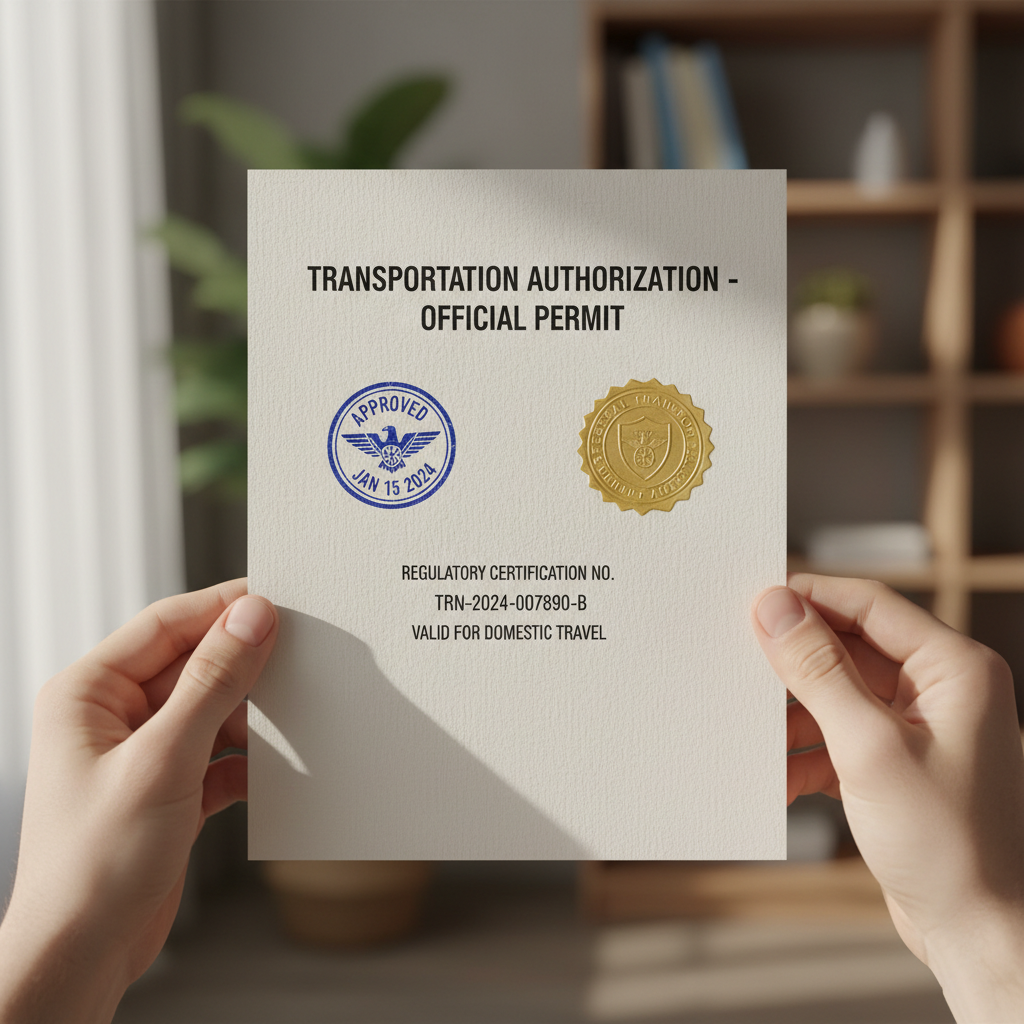
Different programs may also have specific requirements, such as serving a particular demographic, like seniors or veterans. Make sure to research the programs available in your area to find the best fit for your needs.
Preparing Your Application
Once you determine your eligibility, preparing a thorough application is the next step. This process typically involves filling out forms, providing identification, and submitting documents that verify your income and other personal details. Double-checking your application for accuracy is essential, as mistakes can delay the process.
Be sure to include all requested information and follow the instructions carefully. Missing documents or incomplete applications can result in delays or even disqualification.

Understanding the Waiting List
After submitting your application, you may be placed on a waiting list. The waiting period can vary significantly, from a few months to several years, depending on demand and availability. It’s important to remain patient and keep your contact information updated with the housing authority to avoid missing any communications.
Preparing for the Housing Inspection
Once you reach the top of the waiting list, a housing inspection may be required. This inspection ensures that the housing unit meets safety and quality standards. It’s a good idea to familiarize yourself with what inspectors look for, such as working smoke detectors and proper plumbing.

If the unit fails the inspection, you may need to wait for repairs or look for alternative housing options. Understanding this process can help you prepare and address any issues in advance.
Moving In and Ongoing Requirements
Once your application is approved and the inspection is complete, you’ll be ready to move in. It’s important to understand any ongoing requirements, such as annual income re-certifications, to maintain your eligibility for government housing. Staying informed about these requirements ensures you continue to meet the program’s conditions.
Additionally, familiarize yourself with the rules and regulations of your new housing community to ensure a smooth transition and positive living experience.

Seeking Assistance
If you encounter challenges or have questions during the process, don’t hesitate to seek assistance. Many organizations and resources are available to help applicants navigate government housing. Local housing authorities, non-profits, and community groups can offer guidance and support.
By understanding the steps and requirements involved in government housing readiness, you can better prepare yourself and increase your chances of securing stable and affordable housing.