
Seasonal Strategies for Corporate Housing Operations: Preparing for Peak Times
HF
Understanding Seasonal Demand
For corporate housing operators, managing seasonal demand is crucial to maintaining high occupancy rates and maximizing revenue. Different seasons bring varying levels of demand, influenced by factors such as holidays, business cycles, and local events. Understanding these patterns allows operators to anticipate when bookings will peak and adjust their strategies accordingly.

By analyzing historical data and trends, operators can identify high-demand periods and tailor their offerings to meet the needs of potential clients. This proactive approach ensures that operators are not caught off guard by sudden surges in demand.
Optimizing Pricing Strategies
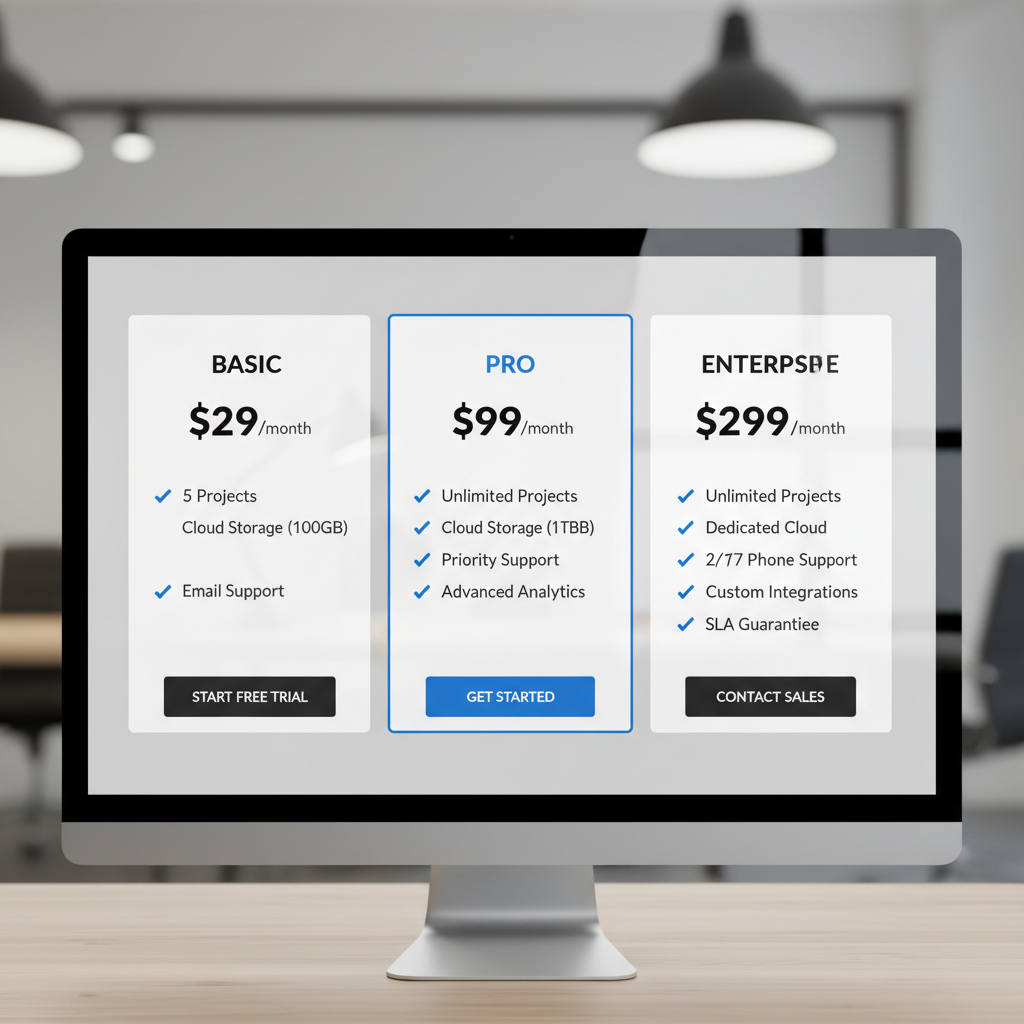
One of the most effective ways to capitalize on peak times is through dynamic pricing strategies. By adjusting prices based on demand, operators can ensure their properties are competitively priced while maximizing profitability. During high-demand periods, prices can be increased to reflect the scarcity of available units.
Conversely, during off-peak times, offering discounts or packages can help attract more clients. Operators should continually monitor market trends and competitor pricing to stay ahead in the game.
Enhancing Marketing Efforts
Marketing plays a vital role in preparing for peak seasons. Operators should amplify their marketing efforts well in advance of anticipated peak periods. This could involve targeted online advertising, email campaigns, and leveraging social media to reach a broader audience.
Highlighting unique selling points, such as proximity to major business centers or special amenities, can make a property more appealing. Offering limited-time promotions or deals can also create urgency and encourage bookings.

Streamlining Operations
Operational efficiency is key during peak seasons. Ensuring that all logistical aspects, such as housekeeping, maintenance, and customer service, are optimized is essential for a smooth operation. This might involve hiring additional staff or training existing employees to handle increased workloads.
Investing in technology, such as property management software, can also streamline operations by automating bookings, payments, and communications with guests.
Building Strong Partnerships
Establishing partnerships with local businesses and event organizers can provide a steady stream of guests during peak times. Collaborating with travel agencies, relocation companies, and corporate clients can lead to long-term relationships that benefit both parties.
Networking with local event planners can also provide insights into upcoming events that could affect demand, allowing operators to prepare accordingly.

Maintaining High-Quality Standards
During peak seasons, maintaining high-quality standards is crucial to ensuring customer satisfaction and repeat business. Operators should focus on providing exceptional service, comfortable accommodations, and addressing any guest concerns promptly.
Encouraging guest feedback and implementing improvements based on reviews can enhance the overall experience, leading to positive word-of-mouth and increased bookings.
Conclusion
Preparing for peak times in corporate housing operations requires a strategic approach that encompasses understanding demand, optimizing pricing, enhancing marketing, streamlining operations, building partnerships, and maintaining quality. By implementing these strategies, operators can not only survive but thrive during high-demand periods.