
The Future of Corporate Housing: Trends and Innovations to Watch
HF
Introduction
Corporate housing is evolving rapidly to meet the changing needs of businesses and their employees. As remote work becomes more prevalent and companies expand globally, the demand for flexible, comfortable, and innovative corporate housing solutions is rising. In this post, we'll explore some key trends and innovations shaping the future of corporate housing.
Rise of Flexible Living Spaces
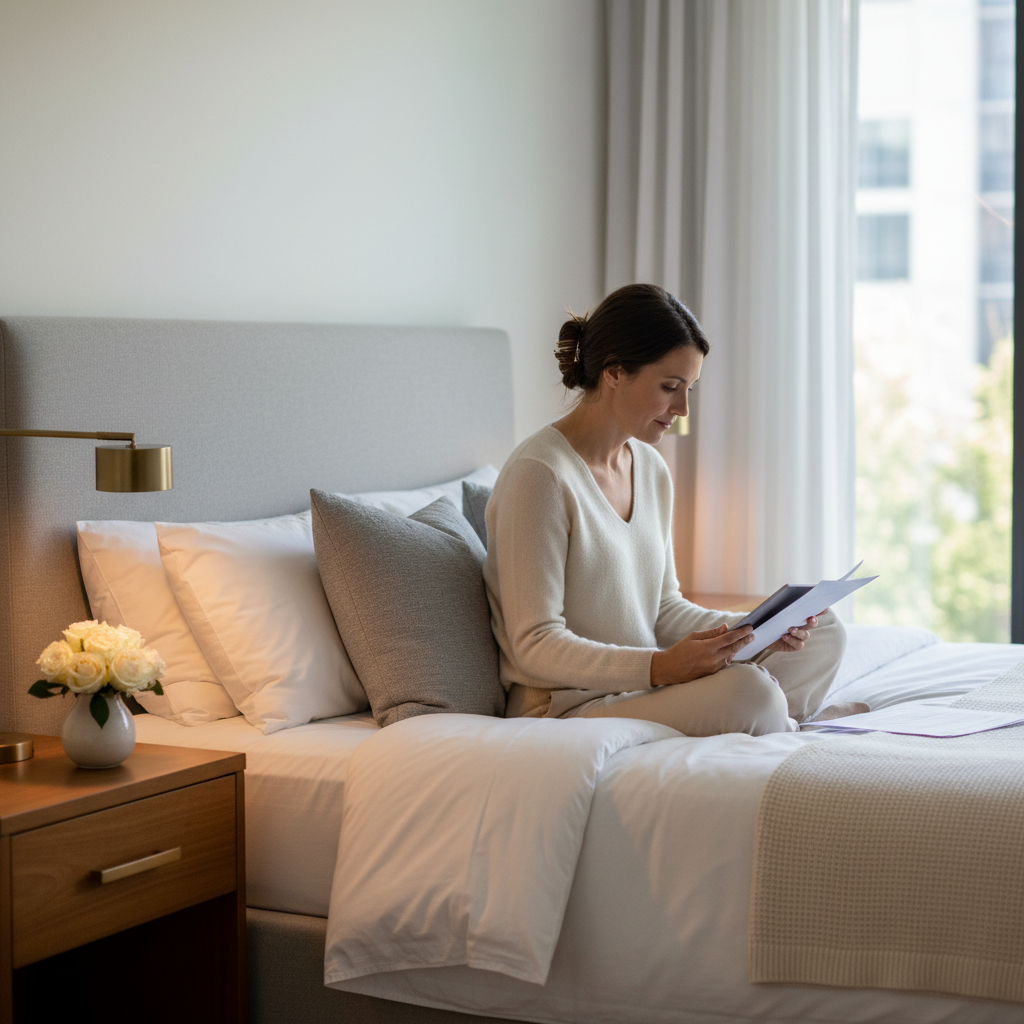
One significant trend in corporate housing is the rise of flexible living spaces. Companies are seeking accommodations that can easily adapt to the varying needs of their employees. This includes options for short-term stays, customizable living arrangements, and multi-purpose spaces that can serve both work and relaxation purposes.
This flexibility is crucial for businesses that need to relocate employees temporarily or accommodate project-based teams. By providing adaptable living spaces, corporate housing providers are helping companies maintain productivity and employee satisfaction.
Integration of Smart Technology
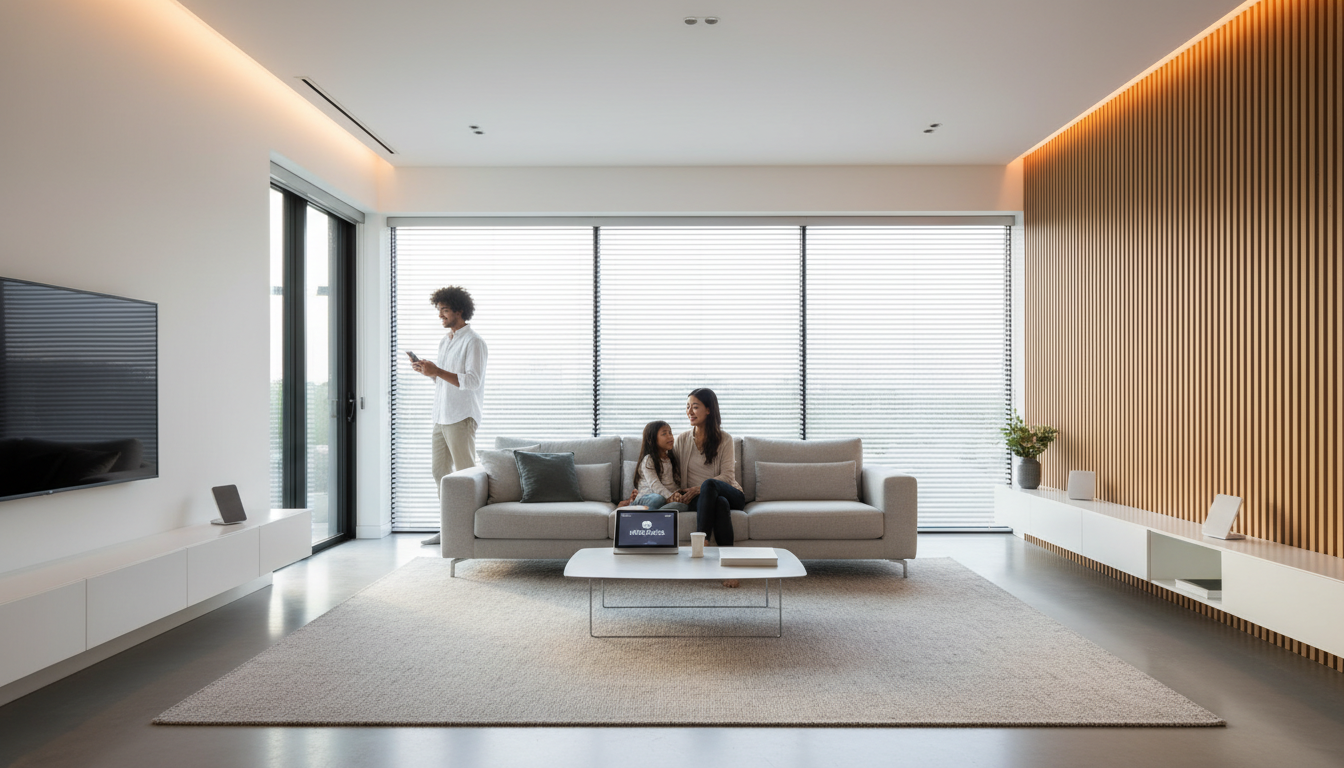
Another trend transforming corporate housing is the integration of smart technology. From smart thermostats to voice-activated assistants, these technologies are enhancing the living experience by offering greater convenience and efficiency. Employees can control their environment with ease, ensuring a comfortable stay.
Moreover, smart technology can help reduce operational costs for corporate housing providers by optimizing energy usage and streamlining maintenance processes. This tech-driven approach is a win-win for both companies and their employees.
Sustainability and Eco-Friendly Practices
As sustainability becomes a priority for many businesses, corporate housing providers are adopting eco-friendly practices. This includes using sustainable building materials, implementing energy-efficient systems, and offering recycling and waste reduction programs.
By prioritizing sustainability, corporate housing can appeal to environmentally conscious employees and align with the broader corporate social responsibility goals of companies. This commitment to green practices is not only beneficial for the planet but also enhances the reputation of businesses and their housing partners.
Enhanced Amenities and Services
In the future, corporate housing will offer enhanced amenities and services to make employees feel more at home. This may include access to fitness centers, co-working spaces, and concierge services that cater to personal and professional needs.

Providing a comprehensive range of services ensures that employees can enjoy a balanced lifestyle, contributing to higher job satisfaction and retention rates. Companies recognize the importance of supporting their employees' well-being, and high-quality corporate housing is a crucial part of that strategy.
Focus on Community and Networking
Creating a sense of community is becoming increasingly important in corporate housing. Many providers are designing communal spaces that encourage networking and social interaction among residents. This not only helps employees feel connected but also fosters collaboration and knowledge sharing.
Such community-focused initiatives can lead to stronger professional networks and a more engaging living experience, ultimately benefiting both employees and the organizations they work for.
Conclusion
The future of corporate housing is bright, with innovations that enhance flexibility, sustainability, and community engagement. As businesses continue to adapt to new work environments, the role of corporate housing will be more critical than ever. By staying ahead of these trends, companies can ensure they provide the best possible living experiences for their employees, driving success and satisfaction in the process.